
Oral probiotic formula
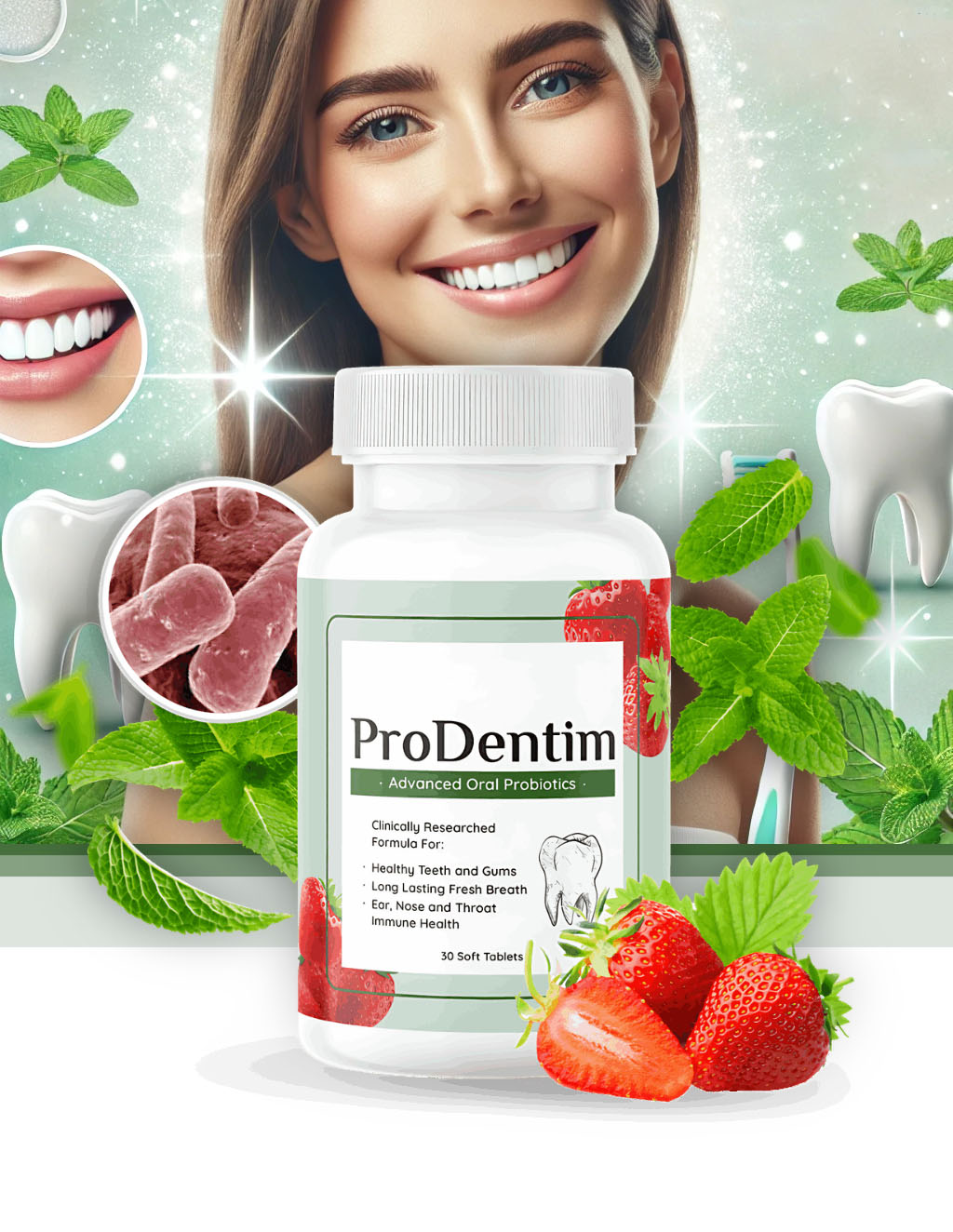
ProDentim
A probiotic-focused oral wellness supplement. Compare its ingredients, usage directions and current seller offer.
View offerFresh breath is about more than the strength of a mint. Tongue coating, trapped plaque, gum inflammation, dry mouth and certain medical concerns can all affect odor or taste. These articles distinguish everyday morning breath from persistent symptoms and explain why an unpleasant smell does not necessarily come from the stomach. You can also learn what tongue scraping can and cannot do and why tonsil stones are a separate problem.
Start with sensible oral hygiene and hydration, then look for patterns: when does the problem appear, does it return after meals, and are there other symptoms? Strong rinses may temporarily change the smell without treating the cause. The guides below help you decide when a dental evaluation—or, in some cases, a medical one—is more useful than another freshening product. Supplement cards are provided for comparison, not as a treatment for halitosis.
Product cards link to third-party sellers. Read our articles for evidence-based hygiene guidance before considering a supplement.
A probiotic-focused oral wellness supplement. Compare its ingredients, usage directions and current seller offer.
View offer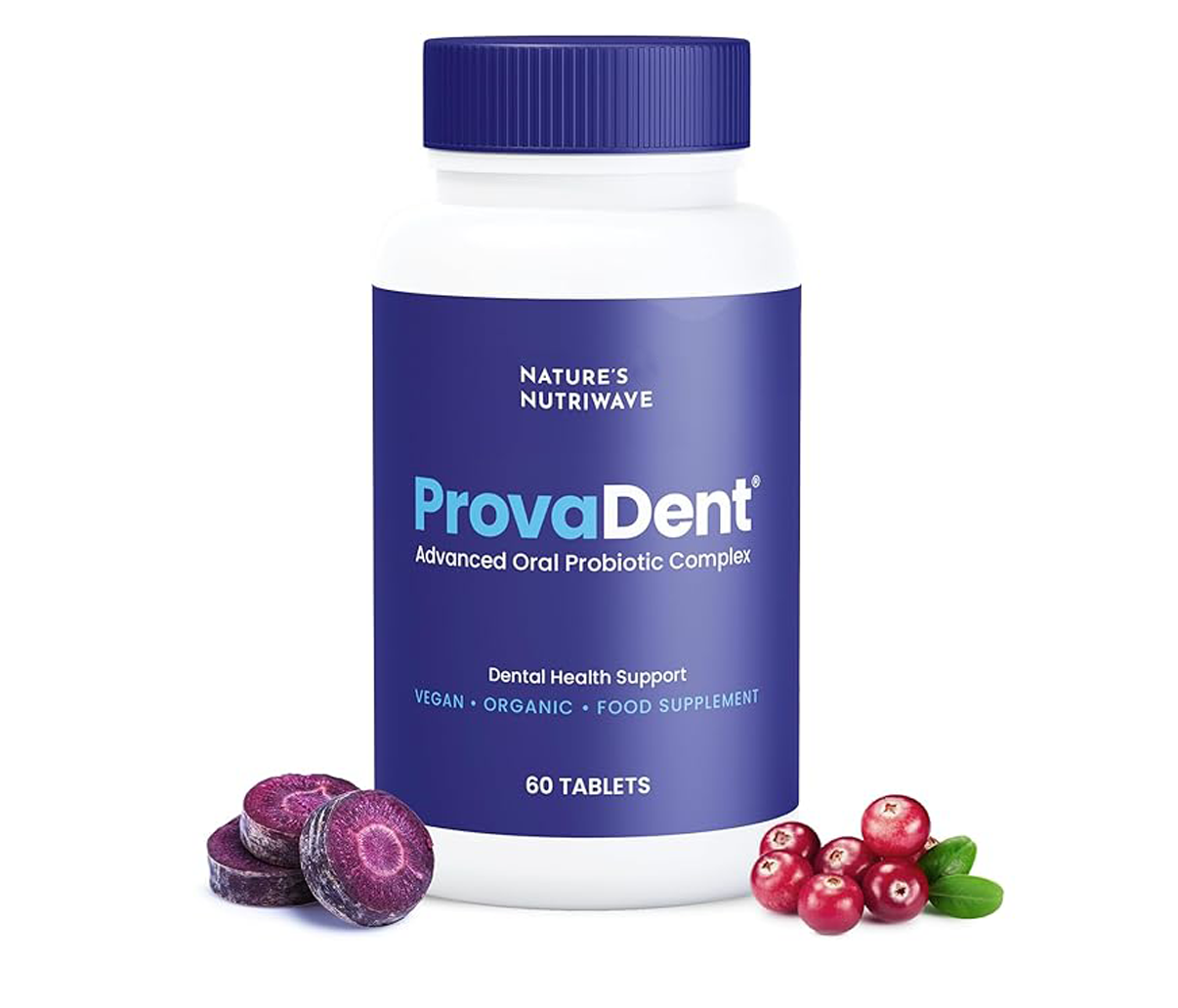
An oral-support formula marketed around the microbiome. Review the current product label and purchase terms.
View offer
A chewable oral postbiotic product. Check the latest formula, ingredients and serving guidance before ordering.
View offerAffiliate disclosure: Oravim may earn a commission through these seller links. Supplements do not replace brushing, dental care or treatment.
Select an article to read the practical guide. Each page includes related reading and direct links to the matching topic resources.
A mint can change the smell of your breath for a short time. It cannot remove a layer of tongue coating, treat gum disease or explain why the same odor.
People often blame one meal for unpleasant breath, even when the smell comes back every day. A useful investigation looks at patterns: morning versus.
Lasting fresher breath usually comes from removing the cause rather than covering the smell. This is why switching from one strong mint rinse to another.
Home remedies for bad breath range from genuinely helpful habits to elaborate mixtures that may irritate the mouth. It helps to distinguish an action that.
The difficult thing about ongoing bad breath is that it can become a social worry as well as a dental question. Yet repeated checking and stronger mints.
When breath feels stale despite frequent brushing, more brushing is not always the answer. The missing piece may be tongue coating, dry mouth, inflammation.
Waking with stale breath is common because saliva flow naturally falls during sleep. If an unpleasant taste continues throughout the day, however, it is.
A white-looking tongue can be alarming, although a thin coating is often related to ordinary debris, bacteria and shed cells. The important questions are.
The tongue has grooves and papillae that can hold debris. Cleaning it may help some people with tongue coating and breath concerns, but scraping harder is.
Tiny pale lumps in the tonsils can cause surprisingly strong odor. They are not the same as a cavity or a gum infection, which is why increasing.
People sometimes blame their stomach for breath changes when the cause is actually on the tongue or around the gums. A metallic taste adds another clue, but.