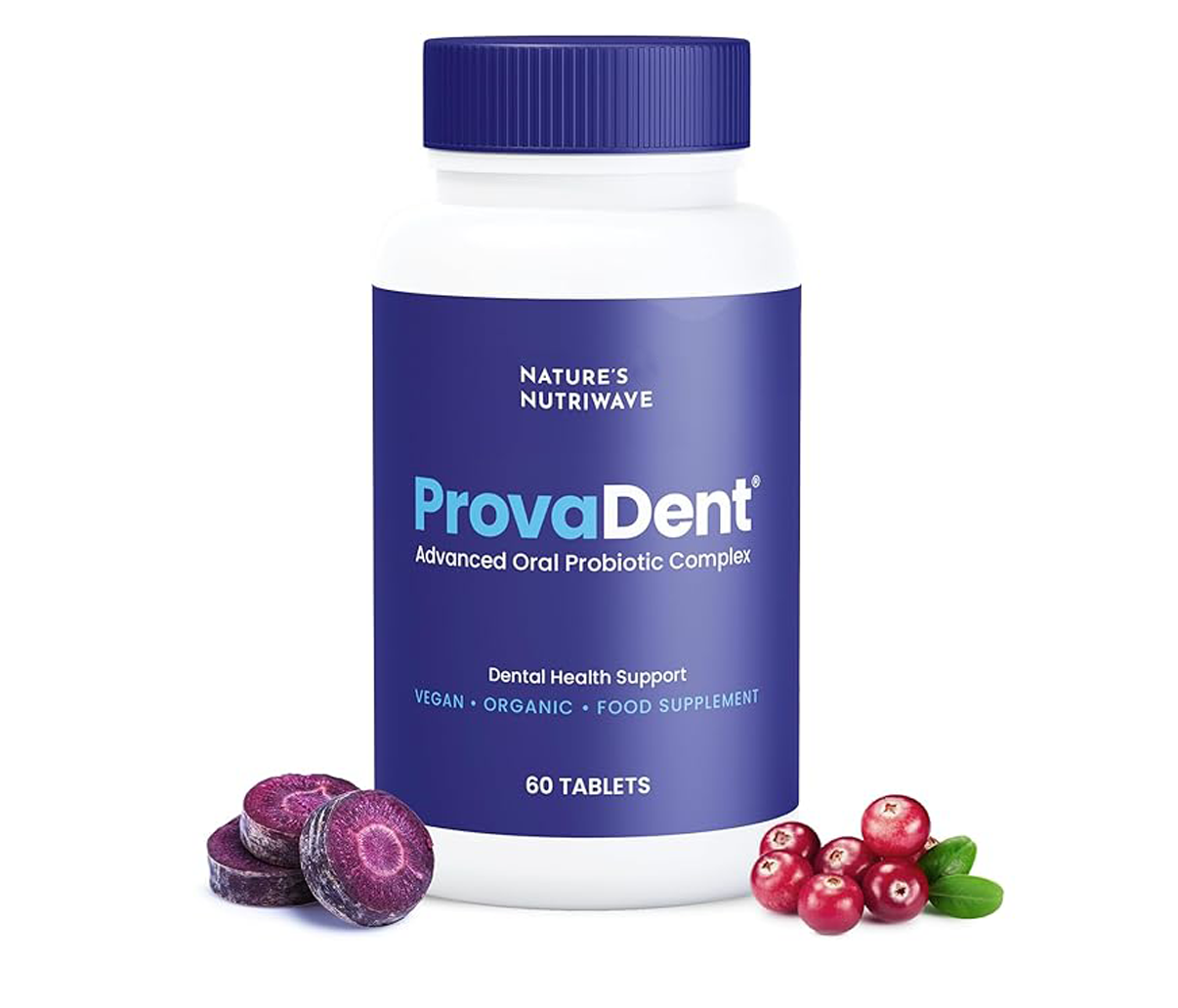
If bleeding has continued for weeks, it is tempting to buy a product promising instant calm. A better plan separates short-term comfort from the reasons the tissue keeps bleeding.
Treat the environment around the gums
Effective bleeding gums treatment depends on what is causing the bleeding. Persistent bleeding may accompany gum disease symptoms such as redness, swelling, changes in gum shape or unpleasant breath, but it can have other explanations. Removing plaque and tartar, improving technique and checking gum measurements are more meaningful than covering up the symptom.
How to measure improvement
After professional advice, note whether gums bleed less during routine brushing and flossing. A gentle daily routine should be maintainable without pain. If a dentist diagnoses a deeper periodontal issue, follow-up treatment and maintenance may be needed even when bleeding decreases.
- Ask which areas showed inflammation during the exam
- Follow the agreed cleaning technique for several weeks
- Return for review if bleeding does not settle
Products can support a routine, but they do not replace diagnosis. Ongoing bleeding deserves a clear explanation and an action plan.