A periodontal treatment plan can sound intimidating, especially when it includes several visits and unfamiliar terms. It helps to know which steps target deposits, which address risk factors and which assess healing.
What treatment is trying to achieve
periodontitis treatment often begins with removing deposits and managing inflammation around teeth. Depending on the findings, periodontal treatment may include scaling and root planing, risk-factor counseling, maintenance or specialist care. Procedures are chosen for the condition present, not simply because a person wants a brighter smile.
The follow-up is part of treatment
After therapy, your dentist may remeasure pockets and bleeding sites to see how tissues have responded. Some areas need additional care. Effective home cleaning and control of factors such as smoking are important because plaque continues to form every day.
- Ask for expected outcomes and follow-up dates
- Clarify costs and alternatives before each procedure
- Learn which interdental tools suit your treated areas
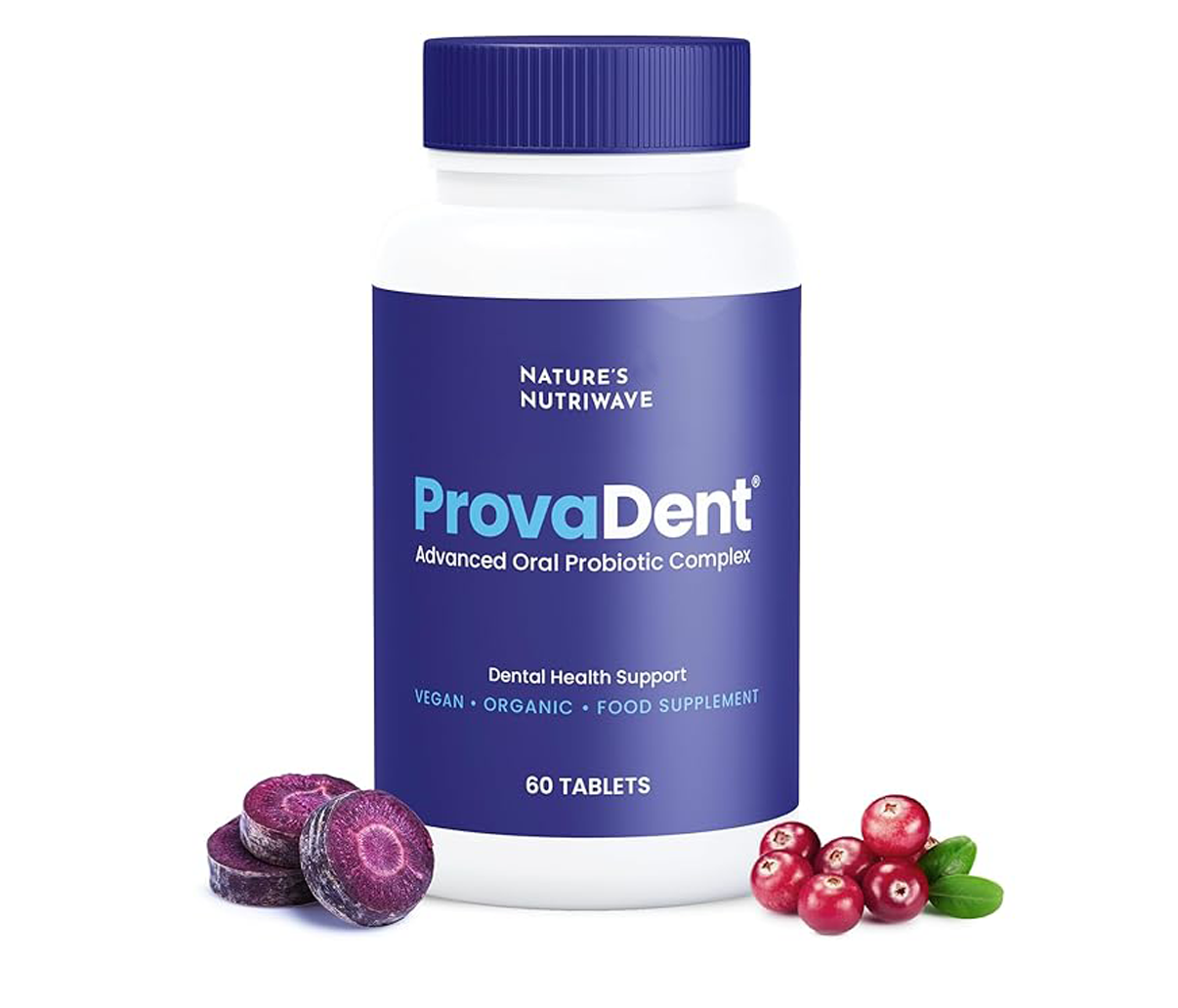
A realistic goal is stable, maintainable periodontal health. Products sold as supplements cannot replace the professional procedures used to treat periodontitis.