
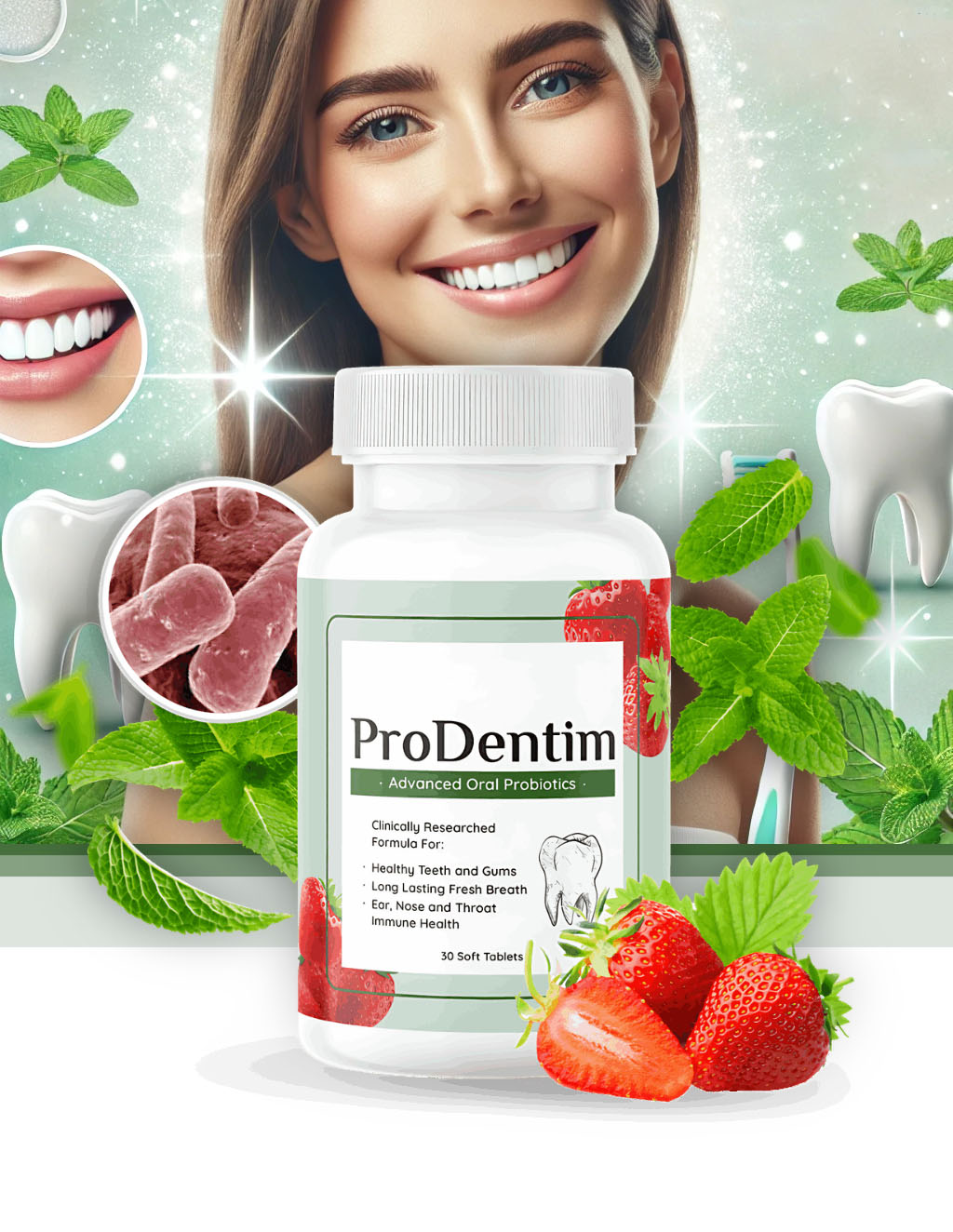
Oral probiotic formula
ProDentim
A probiotic-focused oral wellness supplement. Compare its ingredients, usage directions and current seller offer.
View offerGums are supposed to be comfortable enough that you rarely think about them. When they become red, swollen, sore or prone to bleeding, the change deserves attention—even if there is no toothache. This section explains common causes of irritation, the difference between routine plaque-related inflammation and more serious warning signs, and why correct brushing technique matters. The focus is on identifying the problem rather than reaching for a product that promises a rapid fix.
Early gum inflammation may improve with appropriate home care and professional cleaning, while an infection or abscess needs prompt clinical attention. Browse these guides for practical questions to ask at a dental appointment, ways to clean tender areas gently and signs that should not be ignored. Oral supplements may interest some readers as optional wellness products, but they cannot diagnose or treat gingivitis, periodontal damage or an abscess.
Product cards link to third-party sellers. Read our articles for evidence-based hygiene guidance before considering a supplement.
A probiotic-focused oral wellness supplement. Compare its ingredients, usage directions and current seller offer.
View offer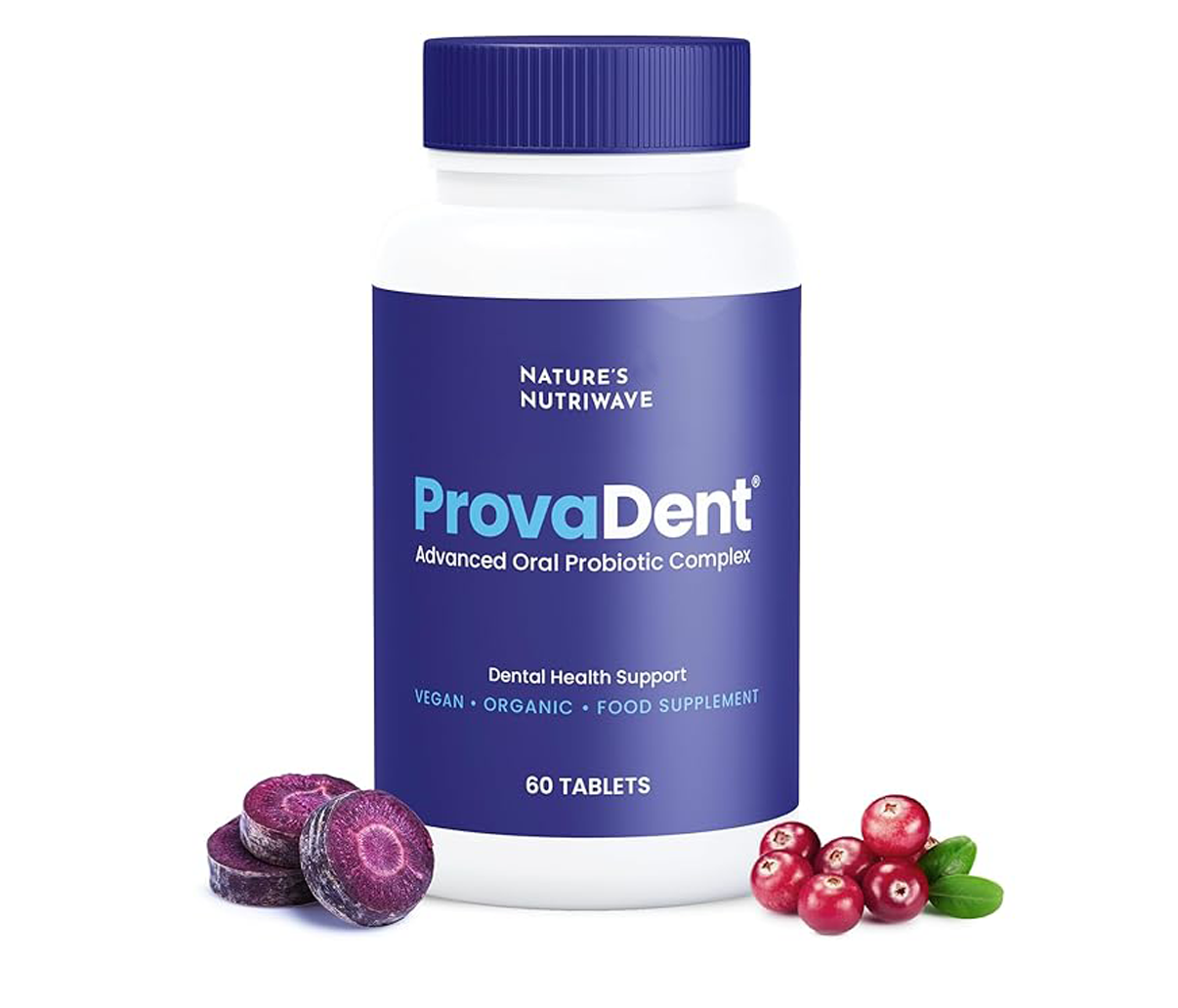
An oral-support formula marketed around the microbiome. Review the current product label and purchase terms.
View offer
A chewable oral postbiotic product. Check the latest formula, ingredients and serving guidance before ordering.
View offerAffiliate disclosure: Oravim may earn a commission through these seller links. Supplements do not replace brushing, dental care or treatment.
Select an article to read the practical guide. Each page includes related reading and direct links to the matching topic resources.
Healthy gums rarely demand attention. They let you chew comfortably, they fit around the teeth, and they do not regularly bleed when you clean them. That.
A little blood on your toothbrush is not something to accept as normal forever. Early gum irritation is often reversible, and that makes everyday prevention.
Gingivitis often begins without pain. A pink band near the gumline gradually looks darker or puffier, and someone may notice blood after flossing. Ignoring.
Gum inflammation is not always dramatic. A thin red edge around a tooth or slight bleeding during flossing can be the first clue, long before the person.
If a dentist says you have gingivitis, you may hear several recommendations at once: cleaning, flossing, brushing changes and a review appointment. Each.
Sore gums can make a perfectly ordinary meal uncomfortable. The cause might be plaque along the gumline, a sharp food fragment, an appliance rubbing one.
A gum that suddenly looks larger around one tooth deserves more attention than a vague sense of puffiness across the whole mouth. Swelling can have several.
Seeing pink foam in the sink can make people brush less around the gums. Unfortunately, that can let plaque collect exactly where inflammation is already.
A one-time nick from floss is different from gums that bleed repeatedly without any clear injury. Looking at how often it happens is more informative than.
If bleeding has continued for weeks, it is tempting to buy a product promising instant calm. A better plan separates short-term comfort from the reasons the.
Gum disease can develop quietly because its early stages may cause little or no discomfort. People sometimes discover it only after a hygienist measures.
One person needs a routine cleaning and a better flossing technique; another needs periodontal therapy and ongoing maintenance. Both may be told they have.
A painful gum area does not always mean an infection, but a persistent swollen spot, bad taste or draining bump should be examined. Covering it with.
A tender lump on the gum can be surprisingly small while the problem beneath it is important. The fact that it bursts or briefly stops hurting does not.