Oral probiotic formula
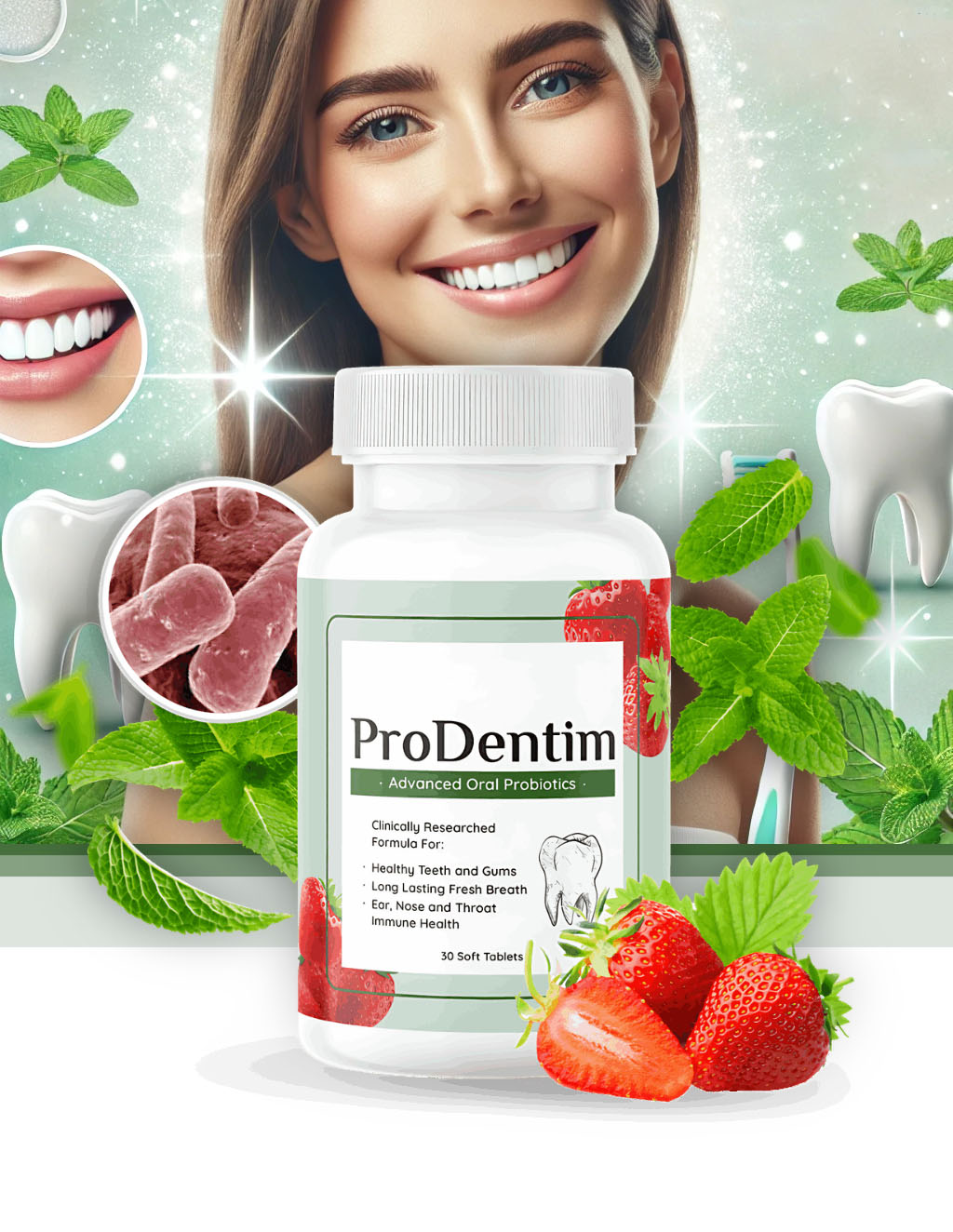
ProDentim
A probiotic-focused oral wellness supplement. Compare its ingredients, usage directions and current seller offer.
View offerThe word “periodontal” refers to structures that help hold teeth in place. When a dentist discusses pocket depths, attachment loss or recession, it can be hard to know which findings indicate active disease and which describe the gumline itself. This collection makes those differences easier to understand. It also explains how periodontitis differs from gingivitis and why X-rays, probing and regular reassessment can matter even when a person has little pain.
Periodontal treatment is not simply a stronger version of ordinary brushing. Depending on the diagnosis, it can involve cleaning below the gumline, risk-factor management, follow-up and sometimes specialist procedures. Receding tissue may require a different approach, especially when exposed roots are sensitive. Use these articles to prepare good questions for your dental team and to separate realistic support from claims that a supplement can regrow lost bone or gum tissue.
Product cards link to third-party sellers. Read our articles for evidence-based hygiene guidance before considering a supplement.
A probiotic-focused oral wellness supplement. Compare its ingredients, usage directions and current seller offer.
View offer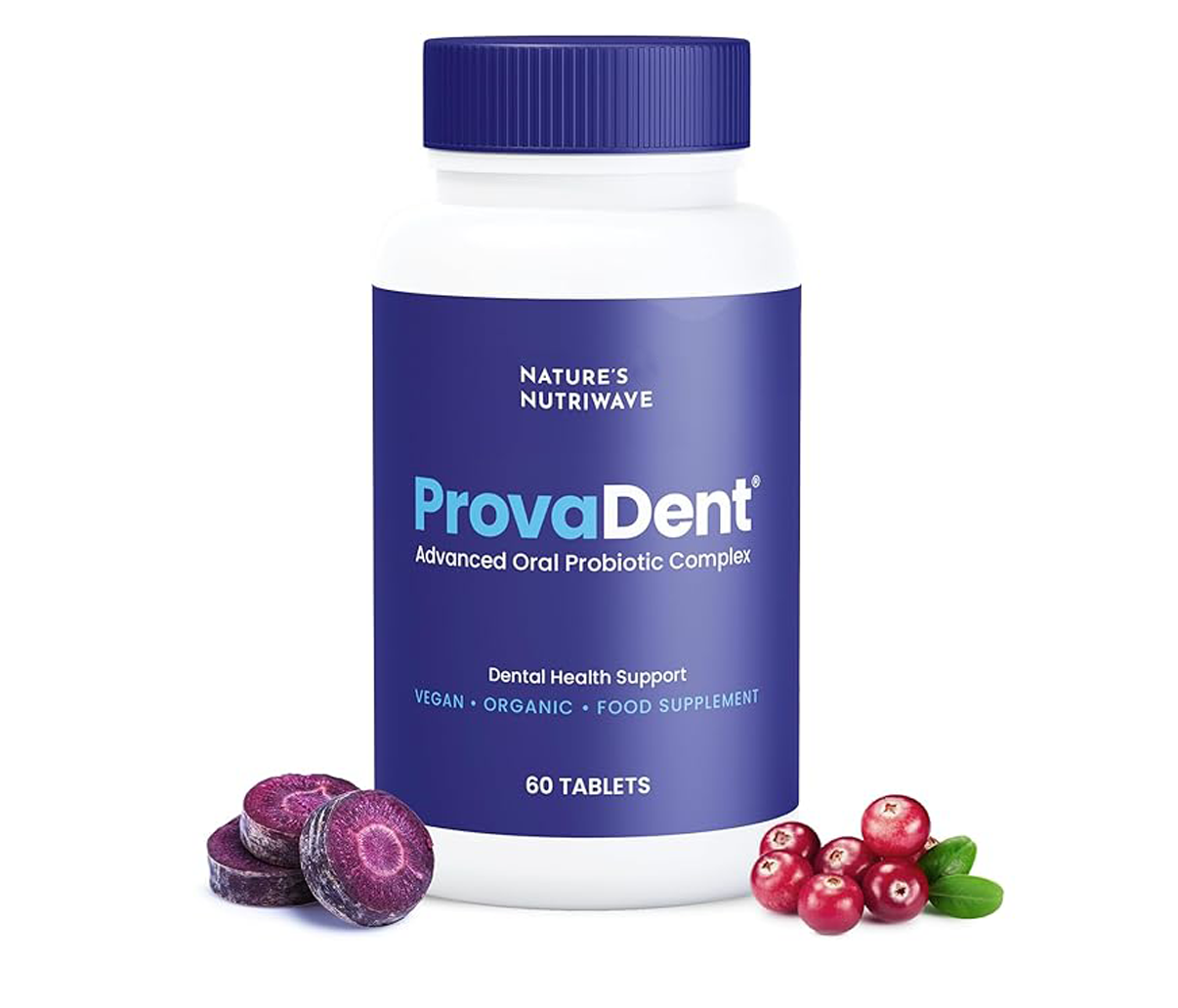
An oral-support formula marketed around the microbiome. Review the current product label and purchase terms.
View offer
A chewable oral postbiotic product. Check the latest formula, ingredients and serving guidance before ordering.
View offerAffiliate disclosure: Oravim may earn a commission through these seller links. Supplements do not replace brushing, dental care or treatment.
Select an article to read the practical guide. Each page includes related reading and direct links to the matching topic resources.
People often use gingivitis and periodontitis interchangeably, but the distinction is clinically important. One refers to gum inflammation; the other.
Periodontitis can progress without severe pain. A dentist may notice increased probing depths or bone changes before a patient realizes anything is wrong.
A periodontal treatment plan can sound intimidating, especially when it includes several visits and unfamiliar terms. It helps to know which steps target.
A gum can look lower around a tooth without having the same issue as a deep periodontal pocket. Both findings concern the gumline, but they describe.
Receding gums can make teeth appear longer, and cold water may suddenly feel uncomfortable. The change is worth investigating even when there is no obvious.
When the gumline has moved, the first question is why. Treating abrasion-related recession and managing recession alongside advanced periodontal disease are.